How to manage your video game backlog
A long list of unplayed games can feel more like homework than a hobby. These practical tips help you sort your backlog, pick what to play next and enjoy the process again.
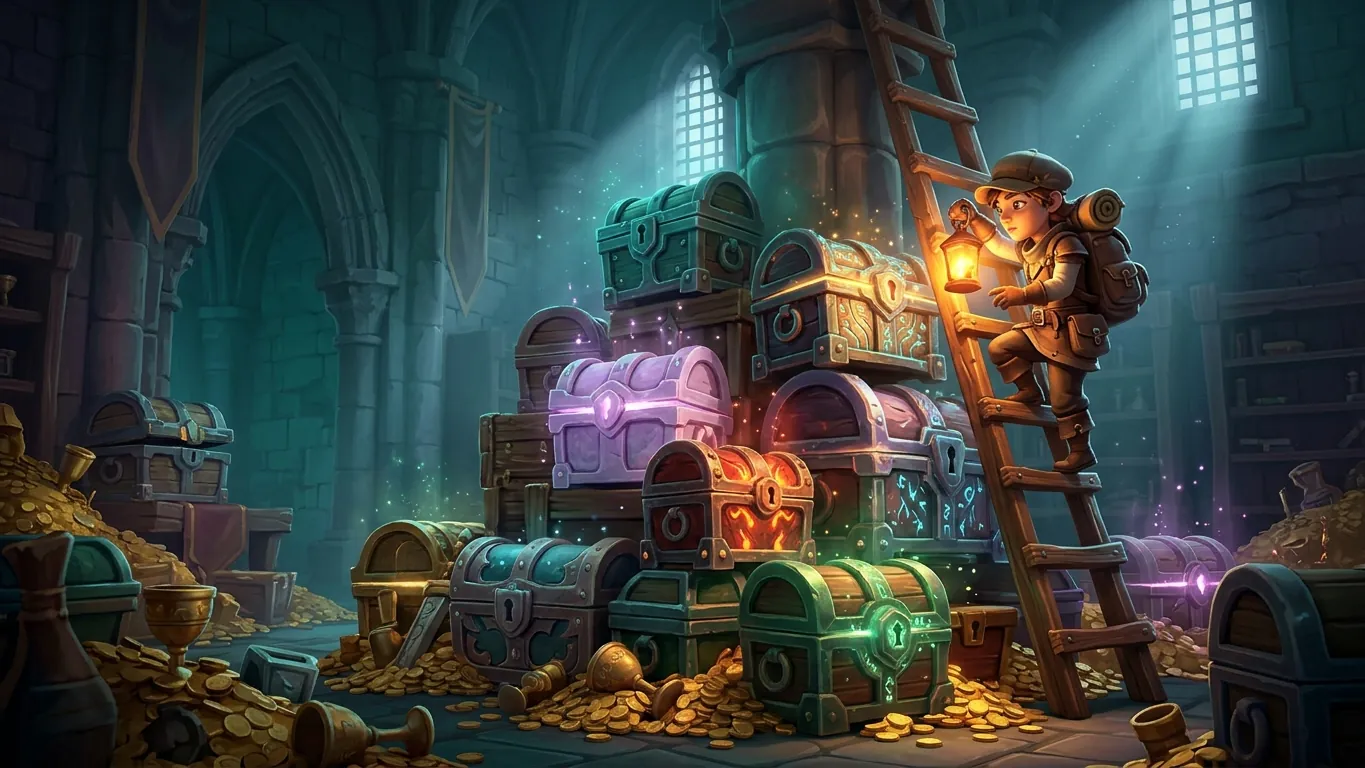
Why backlogs grow
Most players eventually own more games than they have time to play. Bundles, gifts, recommendations from friends and simple curiosity all add up. Before long, the list of unplayed or unfinished games can feel overwhelming.
There is nothing wrong with having a backlog. It can simply mean you have plenty of interesting options. The problem appears when the list starts to cause stress or makes it harder to decide what to play. The goal of managing a backlog is not to finish everything, but to make choosing easier and to spend your gaming time on things you actually want to do.
A simple way to sort your list
You do not need special tools for this. A note on your phone or a sheet of paper works well.
- 01
Write everything down
List the games you own but have not played or finished. Seeing them in one place often makes the list feel more manageable.
- 02
Be honest about interest
Mark each game as excited, curious or not really interested. Games you bought on a whim and no longer care about can be set aside without guilt.
- 03
Note rough length
Add a quick estimate of whether each game is short, medium or long. This helps you match games to your available time.
- 04
Pick a small shortlist
Choose two or three games to focus on next, ideally with different lengths or moods.
- 05
Review occasionally
Every few weeks, update the list. Your interests change, and that is perfectly fine.
Finishing versus enjoying
Many players feel they must reach the credits of every game they start. In practice, some games are most enjoyable for their opening hours, and others only click after a slow start. It is worth giving a game a fair chance, but it is also fine to stop if you are no longer having fun.
Try thinking of each game as an experience rather than a task. If a game has already given you a memorable world, an interesting challenge or a few great evenings, it has done its job, even if you never see the final scene. Letting go of games that no longer interest you frees up attention for the ones that do.
Mix long and short games
Long role-playing games and open-world adventures can take many weeks to complete. Playing one of these alongside a shorter game, such as a compact puzzle title or a story-driven adventure that takes a few evenings, can keep things fresh.
Shorter games also give you a satisfying sense of completion, which can make the bigger projects feel less daunting. Some players like to alternate: one long game, then a short one, then another long one. Others keep one long game for weekends and a shorter or more casual game for weeknights. Experiment to see what rhythm suits your schedule.
Be deliberate with new additions
A backlog can only shrink if new games are added more slowly than old ones are played. This does not mean you should never try something new, but it can help to pause before adding another game. Ask yourself whether you would start it soon, or whether it would simply join the list.
Keeping a separate wishlist for games you are curious about can satisfy the urge to remember interesting titles without committing to them right away. When you finish or set aside a game from your shortlist, look at the wishlist and your backlog together and choose whatever excites you most at that moment.
Related articles
 Getting started with online multiplayer
A friendly guide to online multiplayer on PC and console: picking a mode, communicating with teammates, staying safe and handling bad behavior.
Read more
 Difficulty and accessibility options explained
An explainer on game difficulty levels and accessibility settings, from control remapping to subtitles, and how to choose what works for you.
Read more
 Building a comfortable gaming setup at home
Practical ideas for a comfortable PC or console gaming space: seating, screen placement, audio choices, ventilation and small upgrades that help.
Read more